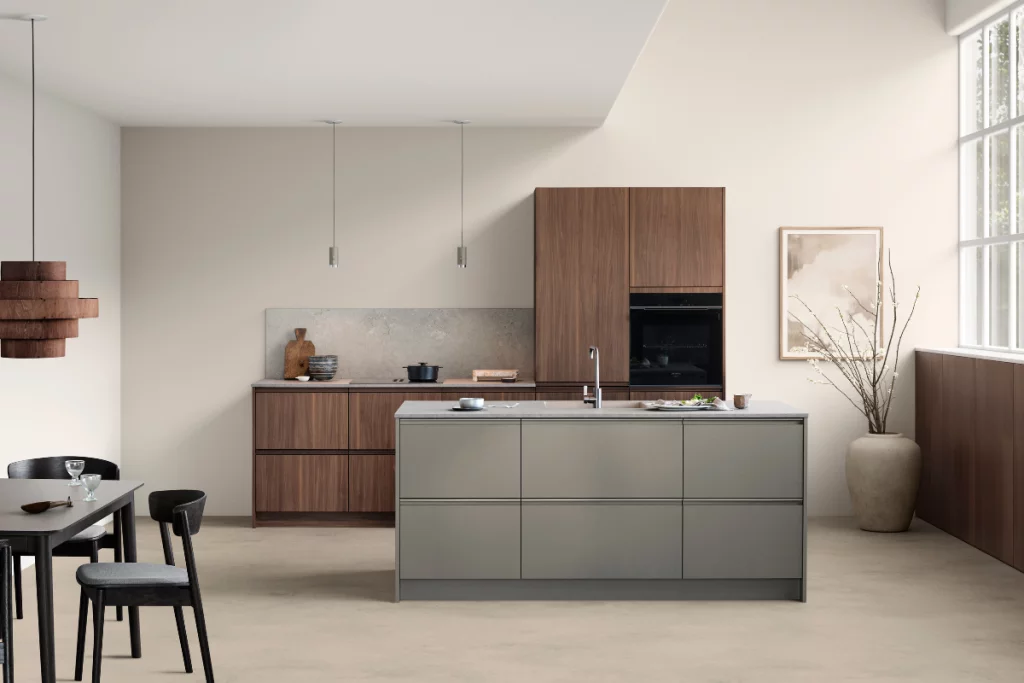
The kitchen is one of the most technically complex rooms to renovate. It concentrates plumbing, electrical, cabinetry, countertops, appliances, flooring, and lighting into a relatively small space — all of which need to be coordinated carefully to avoid delays, conflicts, and cost overruns. This guide walks through the key decisions and planning steps before any tools come out.
Start With the Layout
Before you start thinking about cabinet colours or countertop materials, the most important question is whether your current kitchen layout is working for you. Layout drives everything else — the location of plumbing and electrical rough-ins, the placement of appliances, and ultimately how the space functions day to day.
The three most common kitchen layouts are the galley (two parallel runs of cabinets), the L-shape, and the U-shape. Island configurations are increasingly popular but add meaningful cost because they require additional plumbing and electrical runs in the floor or ceiling, plus they reduce traffic flow space, which must meet a minimum clearance (typically 42 inches for a single-cook kitchen, 48 inches for two).
If you are keeping the layout largely the same — simply replacing cabinets, countertops, and appliances in their existing positions — your costs will be significantly lower than if you are moving the sink, adding an island, or relocating appliances. Moving a sink even a few feet requires re-routing drain lines and supply lines, which can add $1,500–$4,000 to the plumbing scope depending on what is in the way.
The most expensive decision in a kitchen renovation is usually the one you make at the planning stage — not the one you make at the material selection stage.
Cabinetry: Stock, Semi-Custom, or Custom
Cabinetry typically accounts for 30–50% of a kitchen renovation budget, making it the single most significant line item. There are three broad categories:
- Stock cabinets come in standard sizes (typically in 3-inch increments) and are available off the shelf or with a short lead time. They are the most affordable option and are suitable when your kitchen dimensions work with standard sizing.
- Semi-custom cabinets offer more size flexibility and a broader range of door styles and finishes. Lead times are typically 4–8 weeks and they sit in a mid-range price point.
- Custom cabinetry is built to exact specifications — useful for unusual kitchen dimensions, specific storage configurations, or high-end design goals. Lead times are typically 8–16 weeks and costs are correspondingly higher.
For most residential renovations, semi-custom cabinets hit the right balance between flexibility and cost. The key is getting accurate measurements of your space before ordering — mistakes here are expensive and slow to correct.
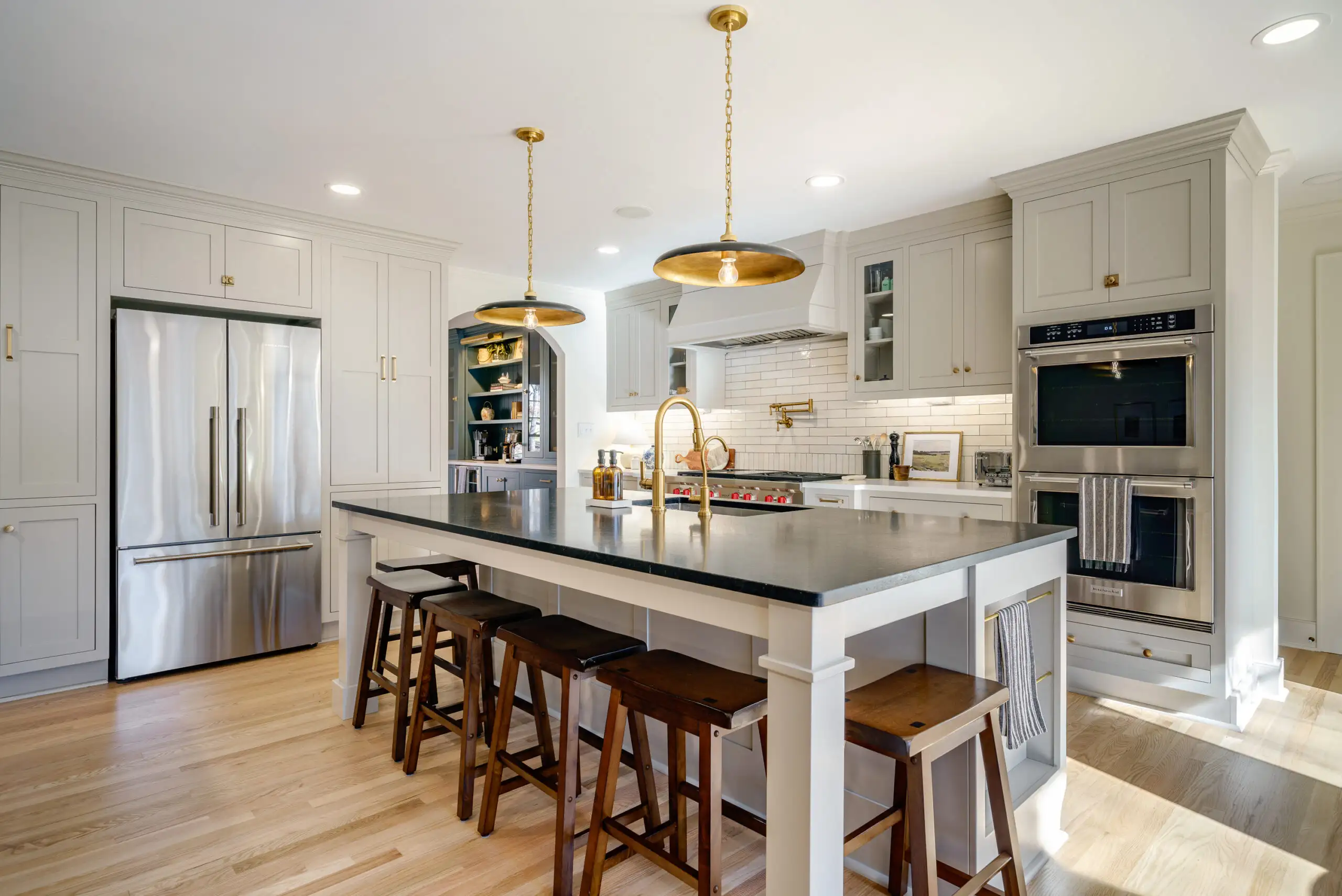
Countertops: Matching Material to Use
Countertop selection is one area where personal preference and practical use need to be balanced. The main options in BC residential kitchens are:
- Quartz (engineered stone): The most popular choice for mid-to-high-end renovations. Non-porous, consistent appearance, low maintenance. Costs range from $75–$180 per square foot installed depending on thickness, edge profile, and supplier.
- Granite: Natural stone with unique patterning. Requires annual sealing. Comparable pricing to quartz in most markets.
- Laminate: Significantly lower cost ($20–$45/sq ft installed) and available in a wide range of finishes. Modern laminate options are considerably more durable than older versions. A practical choice for rental properties or budget-conscious renovations.
- Butcher block: Warm aesthetic but requires regular oiling and is susceptible to water damage near the sink. Works well as an island top combined with stone perimeter counters.
The Trade Sequence That Matters
Kitchen renovations involve multiple trades, and the order they work in matters. An incorrect sequence creates re-work, which costs time and money. A typical sequence for a kitchen renovation looks like this:
- Demolition and disposal
- Structural work (if any walls are being moved)
- Rough plumbing (if relocating sink or adding gas)
- Rough electrical (adding circuits, moving outlets, under-cabinet lighting rough-in)
- Drywall patching and finishing
- Flooring (often installed before cabinets to allow a clean perimeter, though this depends on the flooring type)
- Cabinet installation
- Countertop template and fabrication (measured after cabinets are installed)
- Countertop installation
- Tile backsplash
- Plumbing trim (faucet, sink, dishwasher connections)
- Electrical trim (outlets, switches, fixtures)
- Appliance installation
- Hardware and punch list
One point worth noting: countertops cannot be templated until the cabinets are fully installed and level. The fabrication period (cutting and finishing the stone) typically takes 7–14 business days. This is a forced delay in the schedule, so it is important to plan around it rather than being surprised by it.
Appliances: Lead Times and Coordination
Appliance lead times have extended in recent years due to supply chain factors. Higher-end refrigerators, ranges, and dishwashers from brands like Bosch, Miele, Fisher & Paykel, or Wolf can have lead times of 6–14 weeks depending on the model and distributor. Budget appliances from major retailers are generally available within a week or two.
The practical implication: select and order your appliances early — ideally before the renovation begins — and confirm the delivery window aligns with when they will actually be installed. Appliances sitting in a storage unit while the renovation is delayed create their own logistical headaches.
Realistic Timeline Expectations
A kitchen renovation that involves cabinet replacement, new countertops, tile backsplash, new flooring, and appliance replacements — without moving plumbing or walls — will typically take 3–5 weeks for construction once materials are on hand. If plumbing or electrical changes are involved, add time. If custom cabinets or specialty countertops are on order, the pre-construction material procurement period can extend to 8–14 weeks.
The most common cause of kitchen renovation delays is not the construction itself — it is waiting for materials that were ordered late, or discovering mid-project that something needs to change because it was not evaluated during planning. A thorough pre-renovation site assessment and honest material lead time tracking will eliminate most of these delays.
Questions to Ask Your Contractor
Before committing to a kitchen renovation with any contractor, it is worth asking a few specific questions that reveal how organized and experienced they are:
- Will you provide a detailed written scope before any work begins?
- How do you handle change orders during the project?
- Who will be on-site each day, and how will I be updated on progress?
- What is your process if concealed defects (old wiring, water damage, mold) are discovered during demolition?
- Do you carry liability insurance and WCB coverage?
The answers to these questions — and as importantly, how confidently and directly they are answered — will tell you a lot about how the project will be managed.
If you have a kitchen renovation in mind and want a straightforward conversation about scope and budget, the Rovexaro team is available to talk through it. We serve the Shuswap and Okanagan regions and can arrange a site visit for properties in our service area.